Sports/Orthopedics
targeted relief. restored movement.
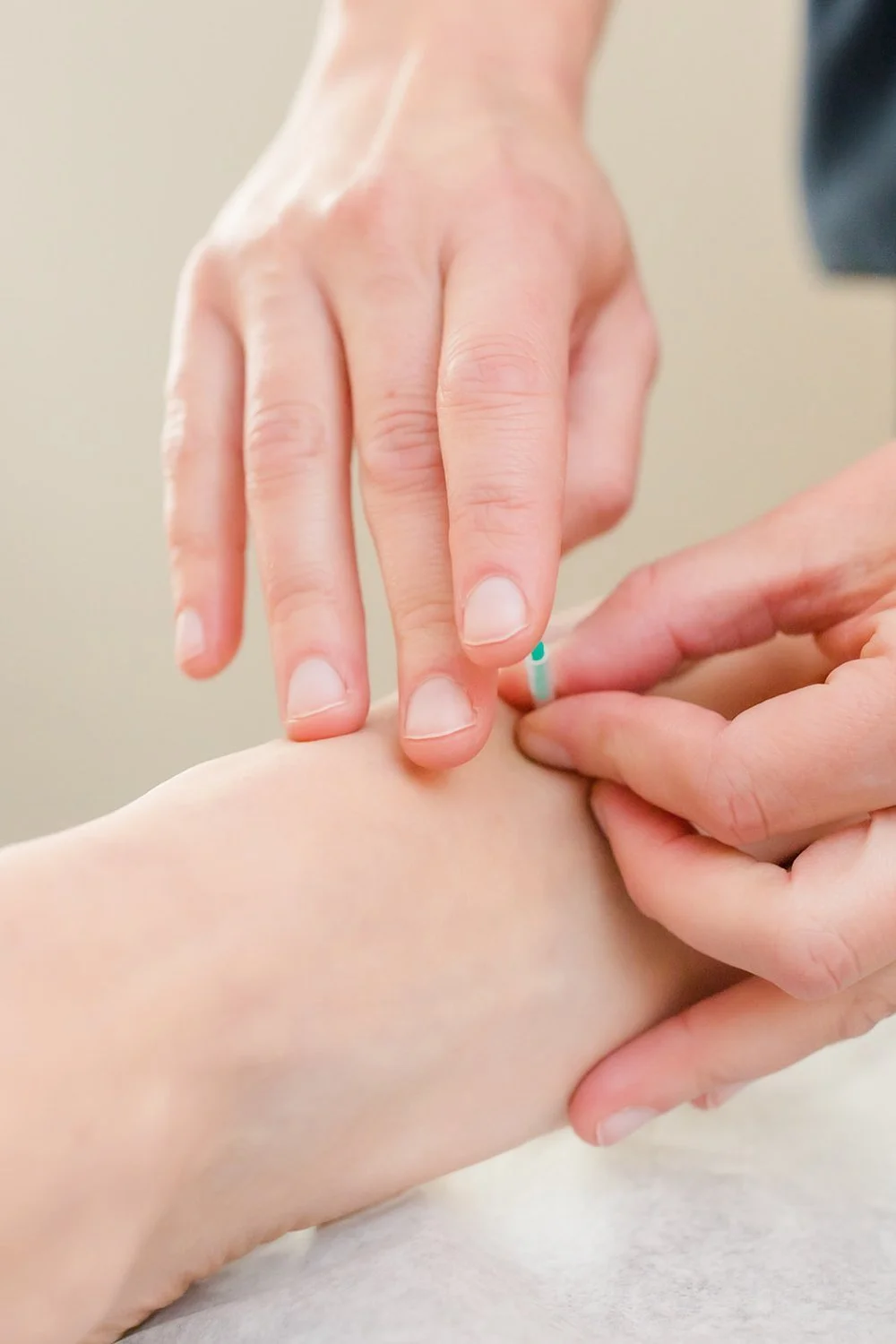
Relief starts at the source. Dry needling is a targeted therapeutic technique used to address muscle tension, myofascial pain, and trigger points that contribute to discomfort and restricted movement. By focusing on these areas, dry needling helps reduce pain, release tight muscles, and restore mobility.
Whether you're dealing with persistent muscle tension, recovering from an injury, or struggling with discomfort that interferes with everyday life, dry needling offers a personalized, results-focused approach to helping you move more comfortably and feel your best.

Conditions We Treat with Dry Needling

Back & Neck Pain
Stenosis
Facet Arthrosis
SI Syndrome
Sciatica
Shoulder Pain
Rotator Cuff
Labrum
Tennis / Golfers Elbow
Headaches
Migraine & Tension Type
More Conditions
Hip and Gluteal Pain
Knee Pain
Achilles Tendonitis/Tendonosis
Plantar Fasciitis
Sciatica
Muscular Strains/Ligament Sprains
Chronic Pain
Whiplash
TMJ
Athletic Performance
FREQUENTLY ASKED QUESTIONS
-
Dry needling is a treatment that uses thin needles to reduce muscle tension and pain. It's used by acupuncturists, physical therapists, athletic trainers, chiropractors, and physicians. We insert small, sterile filament needles into the skin and muscle directly at a myofascial trigger point. This generates a twitch response, helping release muscle tension and pain.
-
Active trigger points consist of multiple contraction knots within a muscle, and they can develop due to injury, musculoskeletal dysfunction and overuse. Active trigger points impair a person’s ability to lengthen, strengthen or contract the muscle. As a result, the muscle shortens and compresses the structure around it, causing pain.
-
Dry needling can be used to treat a variety of musculoskeletal issues, including: neck, back and shoulder pain; arm pain (tennis elbow, carpal tunnel, golfer’s elbow); headaches (migraines and tension-type); jaw and dental pain; buttock and leg pain (sciatica, hamstring strains, calf tightness/spasms).
-
Yes, dry needling is generally safe when performed by a licensed practitioner. The needles are sterile and disposable, and are typically not painful.
-
The needle used in the procedure is very thin and most patients don’t even feel it penetrate the skin. The twitch response usually elicits a very brief (less than a second) painful response. Some patients describe this feeling as a little electrical shock or cramping sensation. This twitch response is a positive and desirable reaction. Pain may also be felt in the referral zone, also and expected response to treatment.
-
Most patients report feeling sore following dry needling. Symptoms are usually described as sore muscles near the treatment area and in the areas of referred pain. Typically, the soreness lasts a few hours up to two days. Over this time, we may recommend applying heat or ice over the area, gentle stretching, and/or modifying your daily activities, depending on your individual response to the treatment and how sore you feel.
-
Patients typically notice a positive reaction within a few visits. The number of sessions needed depends on the severity of your symptoms.
-
Dry needling is generally safe for most people, but there are some situations where it might not be the right option. These include pregnancy, bleeding disorders, and fear of needles.
-
Yes and no. Technically, dry needling is different from acupuncture, which is based on traditional Chinese medicine while dry needling is based on modern medicine and muscles. However, there is a lot of crossover between the two!
-
Although the exact mechanisms of dry needling are not known, the technique has demonstrated both mechanical and biochemical effects. Pioneering studies by Dr. Jay Shah and his colleagues at the National Institutes of Health have shown that inserting a needle into trigger points can cause favorable biochemical change that can assist in reducing chronic pain issues.
Trigger points are known to have abnormal electrical activity and are surrounded by numerous chemicals known to cause inflammation. Research has shown that when a needle is successfully inserted into a trigger point and generates a local twitch response, over time, it can return the electrical and chemical environment within the muscle to its normal, relaxed state. Deactivated trigger points draw white blood cells and plasma cells into the area and create a healing response. Clinically, we see improved muscle length, strength, flexibility and a corresponding decrease in pain with our patients following dry needling treatment.